5 Signs Your Social Battery Is Officially Dead
Piper Moretti · June 15, 2026 · 8 min read
I recently wrote about a Halloween party where I paid almost one hundred bucks for a Lyft home because my nervous system had officially had enough.
Nothing dramatic happened. Nobody was rude. Nobody insulted me. Nobody threw a drink in my face or told me to leave. I was simply done.
That is one of the harder things to explain as an introvert. People often assume that if you want to leave early, something must be wrong. You must be mad. You must not be having fun. You must dislike the people there. You must be judging the party. But sometimes none of that is true. Sometimes your body just reaches a point where it has processed all the noise, conversation, small talk, music, laughter, movement, lighting, alcohol fumes, perfume, and random social energy it can take for one evening.
And when your body says done, it usually means done.

When your body says done, it usually means done.
For a long time, I ignored that signal. I would stay because everyone else was staying. I would stay because I did not want to seem rude. I would stay because I did not want to disappoint my partner or the host or the friend I came with. I would stay because some part of me thought being “good” at socializing meant pushing through until the end.
Then I would get home completely wired and exhausted. The next day I would feel like I had been emotionally hungover, even if I barely drank. I would need silence. I would need space. I would need to not be perceived by another human being for several hours.
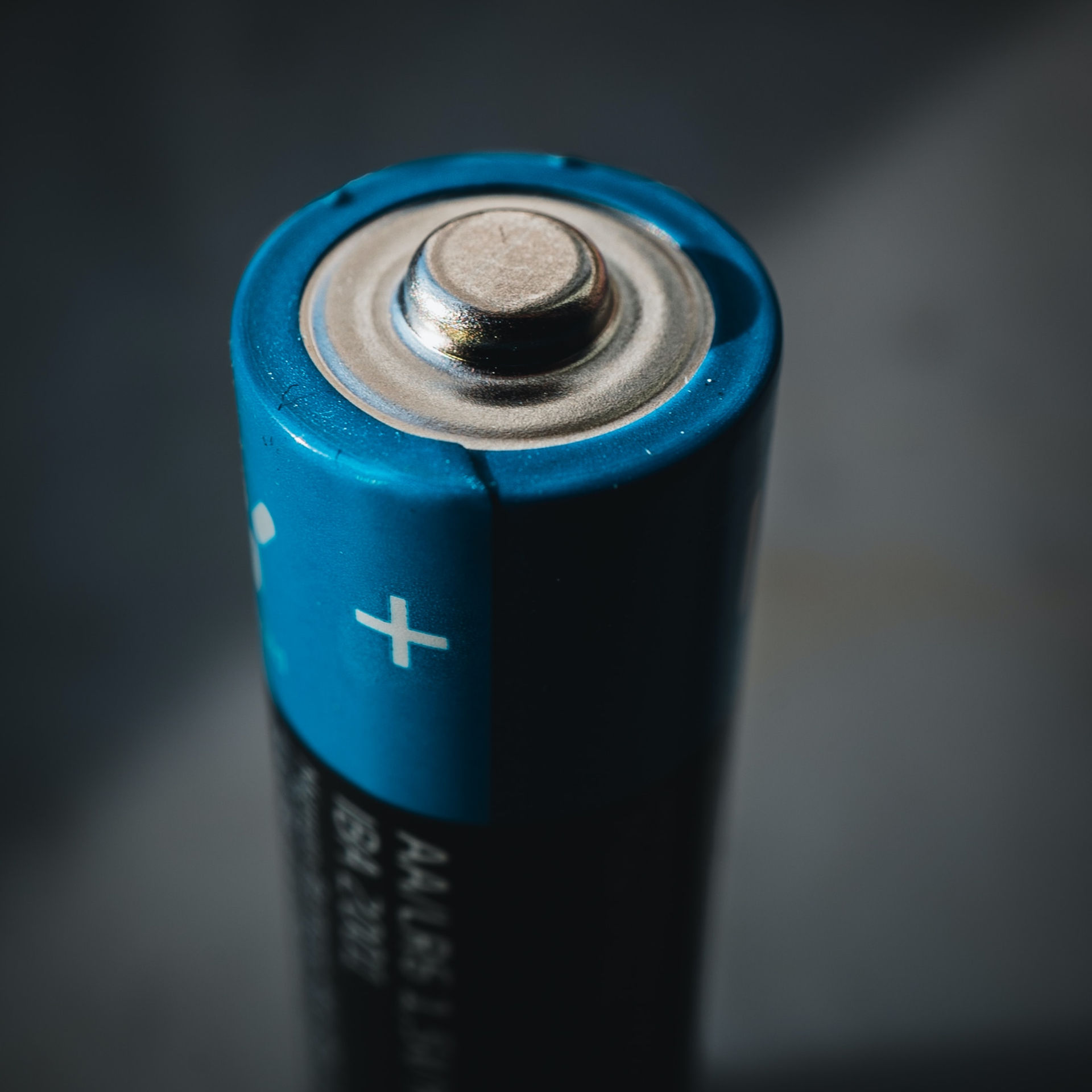
Now I understand that my social battery does not die all at once. It gives me clues. Little warning lights start blinking before the system fully shuts down. And the more I pay attention to those signs, the better I am at leaving before I hit the wall.
The first sign is that I start looking for quiet corners.
This can look innocent at first. Maybe I wander into the kitchen. Maybe I find the dog. Maybe I step outside for air. Maybe I suddenly become deeply interested in the artwork in the hallway or the books on someone’s shelf. Maybe I drift into the living room where the game is on, even though I am not really there for the game.
To an outside observer, it probably looks like I am just exploring the party.
I've done this since my childhood, and concerned mothers at a friend's birthday party would scoop me up and tell me I needed to go play with the other kids.
I didn't know what I was subconsciously doing then, But I sure know what I am doing now.
I am trying to regulate myself.
I am trying to find a place where I do not have to perform, respond, react, listen hard, smile on cue, decode facial expressions, or figure out how to enter a conversation that has already been going for twenty minutes. I am looking for a place where my nervous system can take a breath.
The 1st Sign Your Social Battery is Kaput
There is nothing wrong with taking a break at a party. In fact, I think more people should do it. But when I notice that I am spending more time looking for a place to escape the party than actually being at the party, that is usually the first sign that my social battery is running low.
The 2nd Sign
Conversations stop feeling meaningful. I genuinely love talking to people. I love hearing people’s stories. I love the weird, honest, unpolished conversations that happen when someone tells you what they are really thinking. I love humor. I love depth. I love connection. I love the moment when small talk drops away and something real shows up.
But at many gatherings, especially once the night gets louder or the alcohol starts flowing, conversations can shift. People stop talking with each other and start talking at each other. The volume goes up. The listening goes down. Someone repeats the same story three times. Someone talks over someone else. Someone asks you a question and then looks past your shoulder before you have finished answering.
Nobody is necessarily doing anything wrong. This is just what happens sometimes.
But for an introvert, that shift can be exhausting. When conversation stops feeling like connection and starts feeling like noise, my body notices. I can still smile. I can still nod. I can still look like I am participating. But internally, something starts to detach. My mind gets quieter. My responses get shorter. I stop wanting to explain myself.
That is usually when I know I am nearing my limit.
The 3rd Sign
Everything suddenly feels louder. This one is sneaky because the room may not have actually changed. The music might be the same volume. The crowd might be the same size. The laughter might be no different than it was an hour earlier.
But my tolerance has changed.
Suddenly the clinking glasses feel sharp. The music feels too close. The overlapping conversations become hard to separate. The lights feel brighter. The room feels warmer. Someone’s cologne enters my soul against my will. A person across the room laughs and my body reacts like someone dropped a stack of pans.
That is not me being dramatic. That is my bandwidth running out.
When I am fully charged, I can handle a lot more stimulation. I can be funny. I can be engaged. I can be social. I can even enjoy the chaos for a while. But once my nervous system starts getting tired, every sound has more weight. Every interaction takes more effort. Every new person who approaches me feels like another tab opening in a browser that is already frozen.
At that point, staying is not always noble. Sometimes it is just stubborn.
The 4th Sign
I start watching the clock more than the party. There is a particular moment when I stop asking, “Am I having fun?” and start asking, “How much longer do I have to be here?” That question tells me a lot.
I start doing math. How long have we been here? How long would it take to get home? Is it too early to leave? Would anyone notice? Can I make it another thirty minutes? What would the rideshare cost? Did I drive separately? Is there a graceful exit available, or do I need to pretend I have an early morning like some kind of social coward?
The clock is not the problem. The clock is the symptom.
When I am enjoying myself, I am not calculating my escape route. I am present. I am in the conversation. I am laughing. I am engaged. I may still leave earlier than an extrovert would, but I am not mentally negotiating with myself every five minutes.
When I start doing that, I know my body is asking for home.
The 5th (and biggest) Sign
The thought of leaving feels better than the thought of staying. This is the one I trust the most now.
Not because I am upset. Not because I am offended. Not because the night is ruined. Not because I am mad at anyone. Sometimes the party is lovely. Sometimes the people are wonderful. Sometimes the host has gone all out with food, music, decorations, tarot card readers, and the kind of details that make you feel genuinely lucky to be invited.
And still, the thought of going home can feel like oxygen. My couch. My dog. My pajamas. My book. My own thoughts. The beautiful sound of nobody needing anything from me.
That feeling is information.
For years I treated that feeling like a flaw. I thought I needed to become more outgoing, more flexible, more fun, more willing to push through. I thought leaving early meant I was failing at being social.
Now I see it differently.

Being at home can feel like oxygen.
Leaving early can be an act of self-respect.
It can be the moment you choose not to abandon yourself just to make other people more comfortable. It can be the moment you recognize that you are allowed to enjoy people and still need solitude. You are allowed to love your friends and still have a limit. You are allowed to be grateful for the invitation and still be ready to go home.
That is the part I wish more introverts understood.
You do not have to wait until you are miserable to leave. You do not have to hit full emotional shutdown before you honor your own energy. You do not need a dramatic reason. You do not need to prove that you tried hard enough. You do not need to stay until the bitter end just because everyone else seems fine.
Some people are energized by the room. Some of us are slowly being drained by it, even when we are enjoying ourselves. Both can be true.
These days, I try to leave before resentment kicks in. Before I get snippy. Before I disappear into a bathroom stall just to have three minutes of silence. Before I start fantasizing about teleportation. I would rather say warm goodbyes while I still have the capacity to mean them.
I thank the host. I hug my friends. I tell people I had a wonderful time. And then I go.
No big speech. No apology tour. No fake emergency. Just, “I’m going to head out. This was lovely.”
The funny thing is, most people do not care nearly as much as I once feared they would. The party goes on. The music keeps playing. The extroverts keep extroverting. Everyone survives.
And I get to go home before my nervous system starts filing formal complaints.
So if you are at a party, dinner, event, networking thing, family gathering, or any other social situation and you feel yourself starting to fade, consider this your permission slip.
You are not rude for having a limit.
You are not antisocial because you need quiet.
You are not broken because your battery drains faster than someone else’s.
You are allowed to notice when you are done.
You are allowed to leave before you are depleted.
You are allowed to protect the peace you will have to live with tomorrow.
In a loud world that constantly tells us to stay longer, be louder, mingle harder, and push through, sometimes the most rebellious thing an introvert can do is listen to their body and go home early.
By the way, I also sell introvert t-shirts. Check them out if you haven't already. 💕